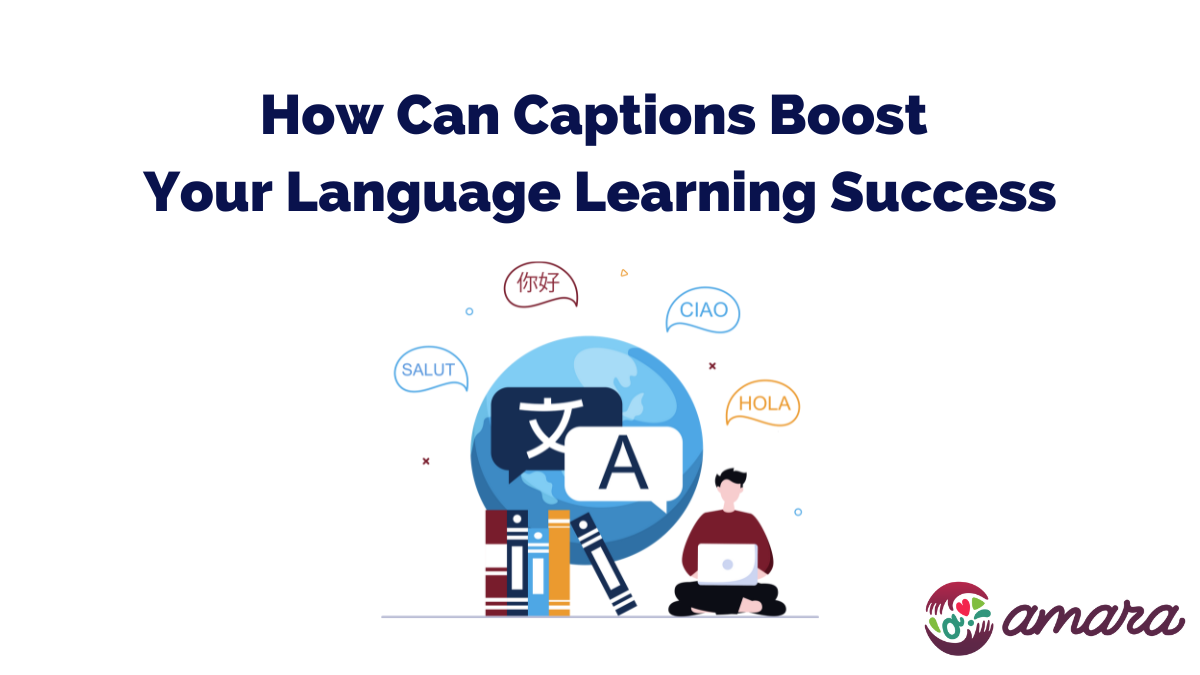
Language learning is a journey that requires a variety of tools and strategies to achieve fluency and comprehension. One often overlooked yet highly effective tool is the use of captions. Whether you’re watching movies, TV shows, or educational videos, captions can significantly enhance the language learning process. In this article, we’ll explore how captions can help language learners at all levels, from beginners to advanced speakers, and why they should be an integral part of your language learning toolkit.
1. Improved Listening Skills
One of the most challenging aspects of learning a new language is understanding spoken dialogue, especially when it’s delivered at a natural pace by native speakers. Captions bridge this gap by providing a written reference to the spoken words, allowing learners to follow along more easily.
- Matching Spoken and Written Words: Captions help learners associate the sounds of the language with their written forms. This is particularly helpful for languages with complex pronunciation rules or silent letters.
- Understanding Accents and Dialects: Different accents and dialects can be difficult for learners to understand. Captions provide clarity, helping learners recognize and understand various ways of speaking within the same language.
2. Enhanced Vocabulary Acquisition
Captions are a powerful tool for expanding vocabulary. When learners see unfamiliar words in context, they can better understand their meanings and how they are used in sentences.
- Contextual Learning: Captions allow learners to see how words are used in real-life contexts, helping them grasp the nuances of meaning and usage. This contextual learning is more effective than rote memorization, as it helps with retention and practical application.
- Exposure to Idioms and Slang: Many languages have idiomatic expressions and slang that are not always covered in textbooks. Captions expose learners to these elements of language, helping them sound more natural and conversational.
3. Improved Reading Comprehension
Watching videos with captions helps learners improve their reading skills by providing a steady stream of text to read. This can be particularly beneficial for learners who struggle with reading comprehension or who are working to increase their reading speed.
- Reinforcing Sentence Structure: By reading captions, learners can observe sentence structures in action, helping them understand how sentences are constructed in the target language.
- Learning Punctuation and Grammar: Captions often follow the same rules of punctuation and grammar as written text. This exposure helps learners internalize these rules and apply them in their writing.
4. Better Pronunciation and Speaking Skills
Captions can also aid in developing pronunciation and speaking skills. By seeing the written form of words while hearing them spoken, learners can better understand the relationship between spelling and pronunciation.
- Mimicking Native Speakers: Learners can use captions to practice repeating what they hear, mimicking the pronunciation, intonation, and rhythm of native speakers. This practice can lead to more accurate and confident speaking skills.
- Identifying Pronunciation Patterns: Captions help learners identify patterns in pronunciation, such as when certain letters or combinations of letters produce specific sounds. This understanding is crucial for mastering a new language.
5. Increased Engagement and Motivation
Learning a language can be challenging, and maintaining motivation is key to success. Captions can make the learning process more engaging by allowing learners to watch content they enjoy while still improving their language skills.
- Entertainment as a Learning Tool: Watching movies, TV shows, or YouTube videos in the target language with captions allows learners to combine entertainment with education. This dual purpose keeps learners engaged and motivated to continue their studies.
- Tracking Progress: As learners become more comfortable with the language, they can switch from captions in their native language to captions in the target language, and eventually to no captions at all. This progression provides a tangible sense of accomplishment.
6. Support for Multimodal Learning
Different learners have different learning styles, and captions support multimodal learning by combining auditory and visual inputs. This approach caters to various learning preferences and can lead to better overall language acquisition.
- Combining Audio and Visual Cues: By reading captions while listening to the audio, learners reinforce their understanding through multiple channels. This multimodal input helps solidify the language in the learner’s mind.
- Flexibility in Learning: Captions allow learners to control their learning environment. They can pause, rewind, or review specific sections of a video, ensuring they fully understand the content before moving on.
Tips for Using Captions in Language Learning
To get the most out of captions in your language learning journey, consider these tips:
- Start with Native Language Captions: If you’re a beginner, start by watching content with captions in your native language. This helps you understand the context while still hearing the target language.
- Progress to Target Language Captions: As you advance, switch to captions in the target language. This will challenge you to rely more on your language skills while still providing support.
- Use Captions as a Study Tool: Take notes from the captions (or print out a transcript!) especially when you encounter new vocabulary, phrases, or expressions. Review these notes regularly to reinforce your learning.
- Practice Active Listening: Don’t just read the captions passively—actively listen to the audio and try to anticipate the words before they appear on screen. This practice can enhance your listening skills and comprehension.
Conclusion
Captions are a powerful yet often underutilized tool in language learning. By providing a visual aid to accompany spoken language, captions can improve listening skills, expand vocabulary, enhance reading comprehension, and boost pronunciation. They also make learning more engaging and accessible, catering to different learning styles and helping learners stay motivated. Whether you’re just starting out or looking to refine your language skills, incorporating captions into your study routine can accelerate your progress and make the journey to fluency more enjoyable.
If you’re a video content creator and want to add captions for students to use your video in their language learning lessons, consider adding captions to your videos with Amara.org.
Check out Amara.org’s professional captioning services or Automatic captions with human proofreading to make your video more engaging and accessible to a wider audience and language students!