Skip to content
Amara.org

Amara.org

Advancing Media Accessibility and Audiovisual Translation

  • Categories
    • Accessibility and Captioning
    • Audio and Video Transcription
    • Captions and Subtitles
    • Culture and Appreciation
    • Language Diversity Preservation
    • Solutions and Tools
    • Subtitling and Global Reach
    • Technology and Work
    • Transcreation and Cultural Adaptation
    • Translation and Localization
    • Volunteering
    • Amara On Demand
    • Amara Enterprise Platform
    • Artículos en español
    • Artigos em português
    • Articles en français
  • Industries
    • Arts
    • Corporate
    • Digital Video Creators
    • Education
    • Film and Television
    • News
    • Nonprofits
    • Podcast
  • Professional Services
    • Audio and Video Transcription
    • Professional Captions
    • Subtitle Translation
    • AI Captions
    • AI Subtitles
    • Text Translation
  • Platform Solutions
    • Amara Public (Free)
    • Amara Plus
    • Amara Enterprise
    • Amara Editor Integration
  • Amplifying Voices
    • Become a Volunteer
    • Content Partners
      • Association of African Universities (AAU)
      • All Out
      • CIVIX
    • Projects
      • Accessibility and Inclusion
      • Black History
      • Civic Participation and Democracy
      • COVID-19 Pandemic
      • Diversity and Equality
      • Endangered Languages
      • Environment and Climate Change
      • Gender Diversity
      • Greenwashing
      • Human Trafficking
      • Hunger
      • Indigenous Peoples’ Rights
      • Mental Health
      • Misinformation and Disinformation
      • Musical Education
      • Neurodiversity
      • Ocean Protection
      • Promoting Girls Education
      • Promotion of Literacy Worldwide
      • Recycling and Upcycling
      • Refugee Crisis and Solutions
      • Rewilding
      • Sexual Diversity
      • Sustainable Societies
      • Wildfires
      • Wildlife Protection
  • Updates
    • Amara Announcements
    • Features and Developments
    • Amara Partners
    • Amara Team Guest Posts
    • Amara Team Member Spotlight
    • Volunteer
  • Toggle search form
Title "Captioning music videos" over a musical note and video film background with the Amara logo in the corner.

Captioning Music in Videos

Posted on February 15, 2024February 24, 2025 By allison 1 Comment on Captioning Music in Videos

Including descriptions of music in video captions and subtitles can significantly enhance the viewer experience by creating a more immersive and engaging experience. It’s obvious that speech should be included in subtitles, but other sound information can contribute to making high quality subtitles. Music can be used to set the scene, move the plot forward, or help an emotional moment land for the audience. And we wouldn’t want the audience to miss out on the optimal experience! In this blog post, we will explore the guidelines, techniques, and tools for including music information in video captions.

When to include lyrics

Consider the video’s plot and analyze how music and lyrics contribute to the overall narrative. If the music sets the scene for an emotional moment, it might be worth including a description. If the main character of a show is belting out a ballad in a significant moment, the lyrics might be important for audiences to see in the subtitles. If the characters comment on the music, it creates an enriched experience for the audience to see that information in the subtitles before the characters’ comments. Whether or not to include a musical description is a judgment call, but something that helps is to imagine watching the video on mute with the subtitles on. If it feels like the music information is missing and could contribute to the video viewer experience, it is worth including that information.

When not to include lyrics

Many videos use music as backing tracks or transitions from one scene to another. If the music is not pushing the plot forward or setting the tone of a scene, you may not need to include it. This decision is about the final viewer experience: will including music information help them understand or appreciate the other things happening in the video? If it will, then it’s time to include a description of the music. If the music information seems irrelevant, then you can go back to capturing speech and other plot-relevant sounds in your captions.

Styling lyrics in captions

Lyrics in captions are usually styled in italics, in sentence case, without punctuation, and enclosed in parentheses.

(Lyrics look like this)

If you are using a subtitle file type that supports Unicode, you can choose to include musical notes around the lyrics with spaces in between. This is an extra indicator that the words are from a song and not from dialogue. Plus, they look pretty cool. You can copy them from here or search online for Unicode symbols.

( ♪ Lyrics can also look like this ♪)

If you are preparing your captions for social media, you shouldn’t include any Unicode characters because they won’t decode properly. Most social media platforms use unformatted SRT which does not support using Unicode. So the lovely musical notes that you included could come out as a jumbled string of nonsense if you are not careful. 

Learn more about subtitle file types, styling, and supported video platforms in our blog post about subtitle formats.

Researching music genres

If the lyrics are not important to the plot of the video but the type of music is relevant, you can use the song title or a description of the music genre. These descriptions are put in parentheses but not italicized. 

Music with identifiable lyrics

Look up the lyrics if there are any to find the artist and song title. Put the song title in quotation marks and include any other relevant information. If the music is playing too soft to hear or too loud to talk over and the people in the video comment on it, it would be good to include that in the description. It’s all about making the viewer experience full and enjoyable.

(“Girls Just Want to Have Fun” by Cindy Lauper plays)

(“Imagine” by John Lennon plays too loudly)

Captioning music genres

If there are no lyrics or you can’t find the title and artist of the song, you can try a music identifier app like Shazam, Musixmatch, or SoundHound to find the song. Another choice is to use a description of the music or the genre if it can be identified. Capitalization rules vary depending on the music genre title, so do a little bit of research to figure out how to style the genre you are including in your captions. As a general rule, if a genre is named after a region, person, or other proper noun then it should be capitalized. Otherwise, genres are usually presented in lower case.

(instrumental music)

(Zydeco music)

Enhancing the viewer experience

Including music information in video captions can enhance the viewer experience by creating a more immersive atmosphere. By carefully considering the overall plot and viewer expectations, you can seamlessly integrate music information into the video captioning process. Ideally, the captioning process would be part of the original video production so that the same people who chose the music can consult on the captions. But it is possible for a captioner to make a real difference on their own by following these guidelines and doing a little bit of research. When done effectively, this approach can significantly enhance the overall quality and impact of video content, leaving a lasting impression on viewers. 

Whether you start subtitling on Amara or use another video captioning tool, we wish you luck in creating high quality captions that invite audiences to enjoy and share videos.

Happy subtitling!

Read these articles next

Accessibility and Captioning, Arts, Captions and Subtitles, Solutions and Tools Tags:captions, subtitles

Post navigation

Previous Post: 7 Benefits of Transcription & Captioning
Next Post: Maximizing Impact with Auto-Captions: The Crucial Role of Human Review

More articles to learn from

Graphic with a purple header reading “International Mother Language Day.” On the right, large text asks, “How Can Captions and Subtitles Support Linguistic Diversity?” On the left, an illustration shows three diverse people smiling and talking together. Two speech bubbles above them contain a Chinese character and the letter “A.” The Amara logo appears in the bottom right corner. International Mother Language Day: How Can Captions and Subtitles Support Linguistic Diversity? Accessibility and Captioning
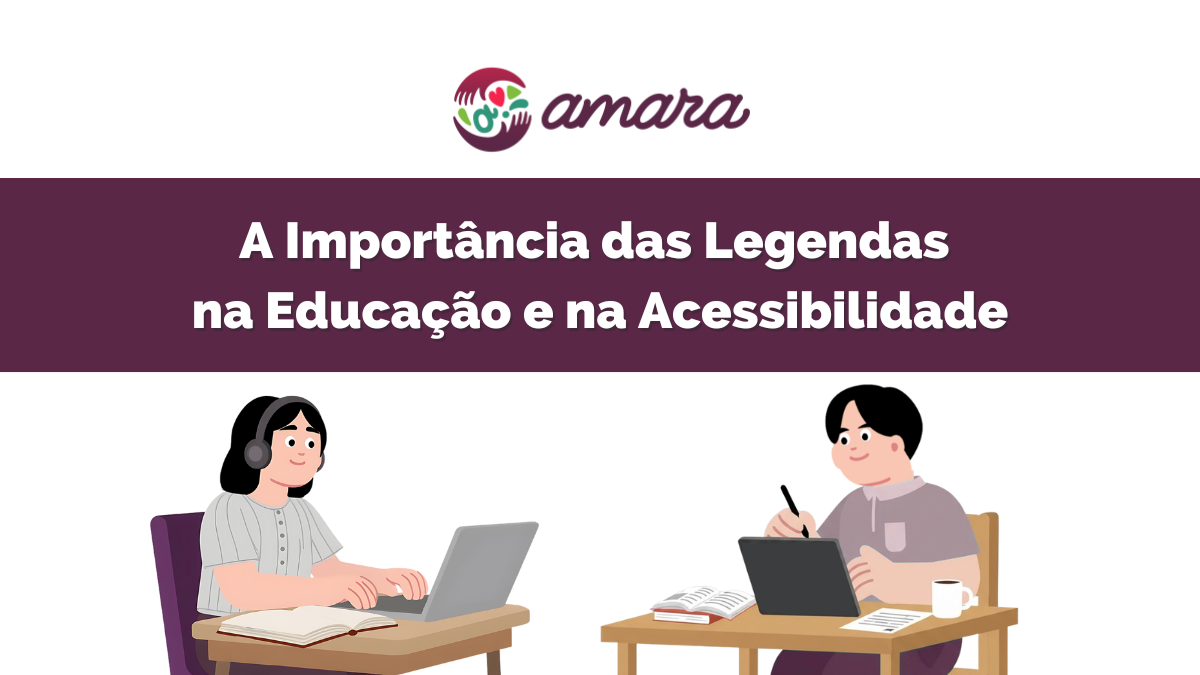
Graphic with the title of the article in Brazilian Portuguese at the top-center, the title reads: A Importância das Legendas na Educação e na Acessibilidade. Below the text, an illustration shows two students studying at separate desks: one wearing headphones and typing on a laptop with an open book, and another writing on a tablet beside books and a cup. A Importância das Legendas na Educação e na Acessibilidade Accessibility and Captioning
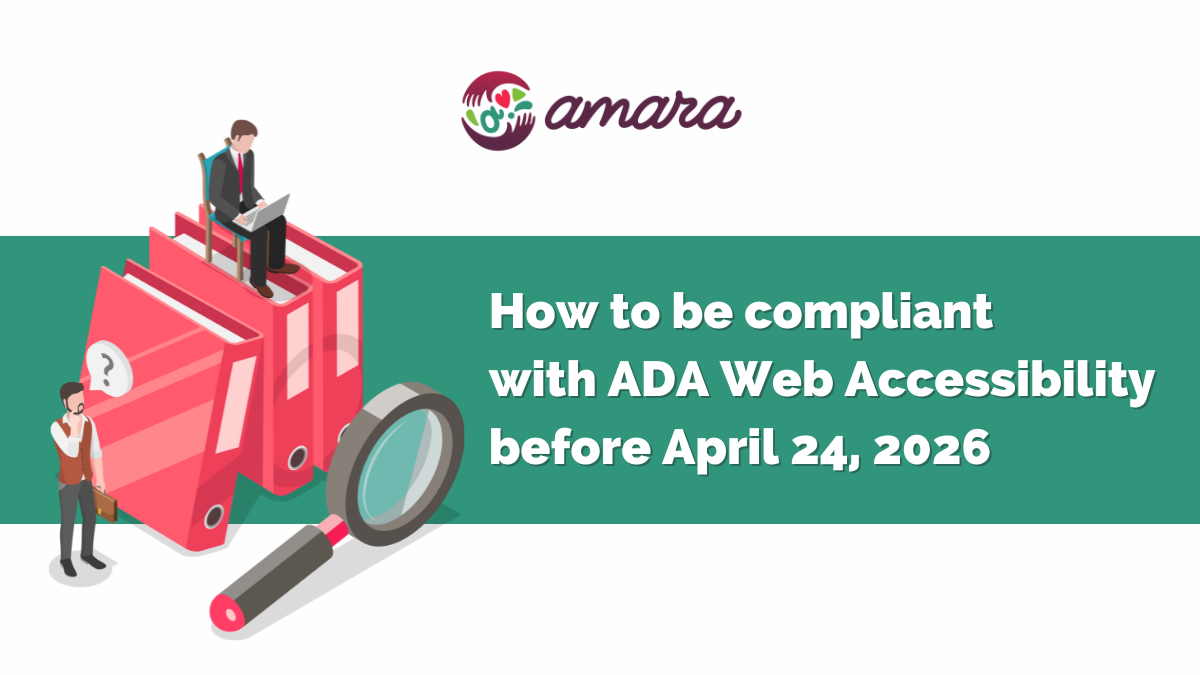
The title of the article is on the right-center, it reads: How to be compliant with ADA Web Accessibility before April 24, 2026 . At the left-center we have an illustration of people on top of official folders, one if holding a laptop and there's a big magnifying glass at the front of everything. How to be compliant with ADA Web Accessibility before April 24, 2026 Accessibility and Captioning
The title of the article is at the left-center of the image, the title is in French: L’éducation sans frontières : Pourquoi le sous-titrage multilingue est le pilier de l'apprentissage en 2026. At the right-center we have an illustration of a pile of giant books and education related objects, and two people sitting on them, with laptops on their laps. L’éducation sans frontières : Pourquoi le sous-titrage multilingue est le pilier de l’apprentissage en 2026 Articles en français
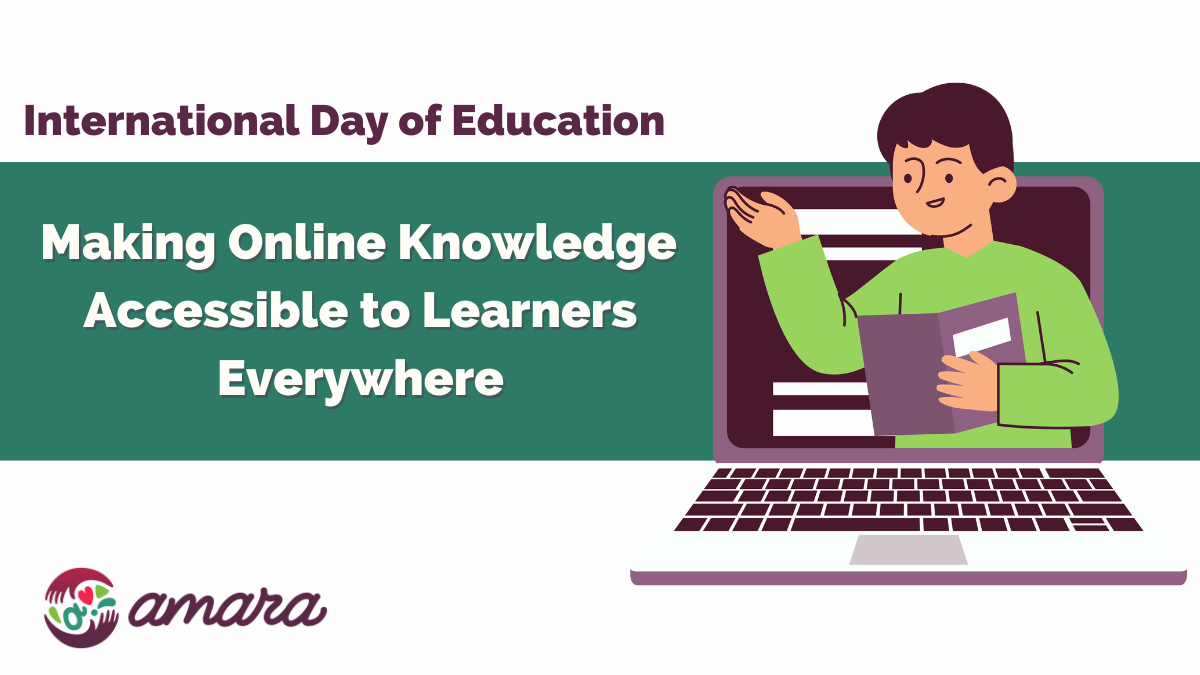
A rectangular image with the title of the article on the left side, the title reads: International Day of Education: Making Online Knowledge Accessible to Learners Everywhere. On the right side we have an illustration of a laptop with a student popping out of it, with a book in their hands. International Day of Education: Making Online Knowledge Accessible to Learners Everywhere Accessibility and Captioning
Rectangular image with the title of the article in the middle, the title reads: Build a Personal Curriculum With Accessible, Multilingual Videos. At the left-center there's an illustration of a computer and a mobile screen with a play button in it, and elements referring to education at their sides. 2026 Learning Goals: Build a Personal Curriculum With Accessible, Multilingual Videos Accessibility and Captioning

Comment (1) on “Captioning Music in Videos”

  1. Jane says:
    July 29, 2025 at 1:28 pm

    I think it would be lovely if someone came up with a way to add musical subtitles for music people don’t know or readily recognize. Either a simplified format of actual music theory, or maybe just a line that goes up and down with the notes, getting thinner and thicker with intensity. I don’t even know if I’m articulating well what I’m imagining in my head. I’m not a techie.

    Reply

Leave a Reply Cancel reply

Your email address will not be published. Required fields are marked *

Give us a follow:

  • Bluesky
  • Facebook
  • Instagram
  • LinkedIn
  • YouTube

Contact us at enterprise@amara.org

Powered by PressBook Grid Blogs theme