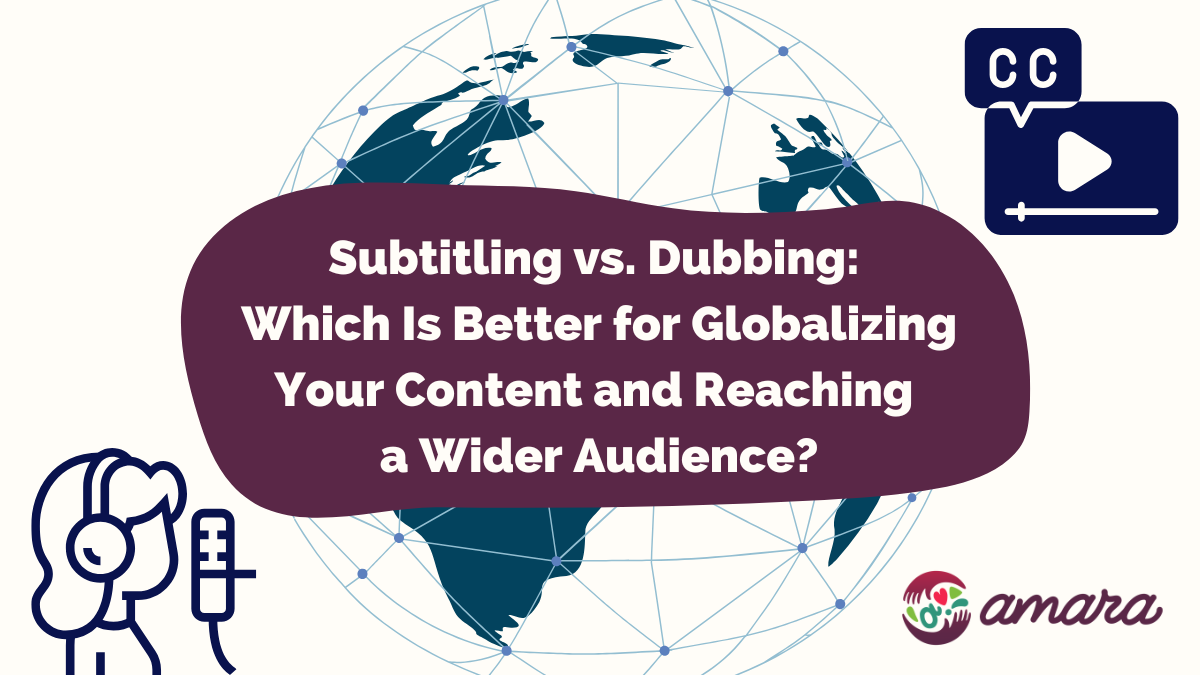
When it comes to consuming foreign-language content, viewers often face a choice: subtitling or dubbing? This age-old debate varies by region, culture, and personal preference. Both methods have their advantages and drawbacks, but which one wins over audiences? Let’s explore the pros and cons of each and examine global preferences.
Subtitling: A Window to Authenticity
Why Audiences Prefer Subtitles
Many film lovers and purists argue that subtitles provide the most authentic experience. By retaining the original voices, subtitling allows viewers to hear the actors’ true emotions, accents, and intonations. This is especially important in dramatic films, where vocal nuances carry significant weight.
Subtitles also serve as an educational tool, helping language learners improve their listening and comprehension skills. Many bilingual or polyglot viewers opt for subtitled content to reinforce their language abilities.
Additionally, subtitling is a cost-effective option for media producers. Since it doesn’t require hiring voice actors or extensive editing, it is significantly cheaper than dubbing, making it a practical choice for independent films and niche content.
Subtitling for Accessibility and the Deaf and Hard of Hearing Audience
One of the greatest benefits of subtitling is its role in making content accessible to the Deaf and Hard of Hearing (DHH) audience. Subtitles, especially closed captions, provide a vital service by not only translating dialogue but also including descriptions of sound effects, background noises, and speaker identification. This ensures that individuals with hearing impairments can fully engage with and enjoy films, TV shows, and online videos.
With the growing demand for inclusivity, streaming platforms and broadcasters are prioritizing high-quality subtitles to meet accessibility standards worldwide. Subtitling fosters equal access to entertainment, education, and information, making media consumption a more inclusive experience for all.
The Downsides of Subtitles
Despite its benefits, subtitling has limitations. Some audiences find it distracting to read text while watching a film, especially if the dialogue is fast-paced. For action-heavy or visually intricate films, subtitles can interfere with the viewing experience by drawing attention away from the visuals.
Moreover, translations often require condensation of dialogue to fit readable text on the screen. This can lead to oversimplifications, loss of nuance, or cultural misunderstandings.
Dubbing: The Immersive Alternative
Why Audiences Choose Dubbing
Dubbing eliminates the need for reading, allowing audiences to fully focus on the visuals. This makes it a preferred choice for children, illiterate viewers, or those who simply dislike subtitles. In countries where dubbing is the norm—such as Spain, Germany, and France—audiences are accustomed to hearing films in their native languages and expect high-quality localized voice acting.
When done well, dubbing can enhance emotional engagement. A strong voice actor can match the tone and expressions of the original performance, making the experience feel seamless. For animated films and video games, dubbing is often the default localization choice, as voice replacement is less jarring than in live-action productions.
Challenges of Dubbing
The biggest drawback of dubbing is the potential loss of authenticity. Voice actors may not fully capture the original performance, leading to mismatched emotions or altered character portrayals. Cultural nuances, humor, and wordplay can also get lost in translation.
Additionally, dubbing is significantly more expensive and time-consuming than subtitling. High-quality dubbing requires skilled voice actors, precise lip-syncing, and extensive post-production work. If done poorly, the result can feel unnatural and even comical.
The Role of AI in Subtitling and Dubbing
Recent advancements in artificial intelligence (AI) have significantly impacted both subtitling and dubbing. AI-powered subtitle generators can now create highly accurate translations in real-time, improving accessibility and reducing production costs. Machine learning algorithms are also enhancing subtitle synchronization, ensuring better readability and timing.
On the dubbing side, AI-generated voice cloning and synthetic voices are making waves. AI-driven dubbing technology can mimic human speech patterns and even replicate an actor’s voice in different languages. This has the potential to revolutionize the industry by making high-quality dubbing faster and more affordable. However, concerns remain about the authenticity and emotional depth of AI-generated voices compared to human actors.
As AI technology continues to evolve, it is likely to complement both traditional subtitling and dubbing methods, offering new opportunities for cost-effective and efficient localization.
Global Preferences: Subtitles or Dubbing?
Regional habits play a major role in determining whether audiences favor subtitles or dubbing. In Scandinavian countries, the Netherlands, and Portugal, subtitling dominates, largely due to a long history of exposure to English-language content. This has contributed to high English proficiency in these regions.
Conversely, in Spain, Germany, Italy, and much of Latin America, dubbing is widely preferred. The demand for professionally dubbed content is high, and viewers are used to consuming foreign films and TV shows in their native language.
Streaming platforms like Netflix and Disney+ have influenced these preferences by offering both options, allowing users to choose their preferred mode of consumption. However, global trends show a gradual shift towards subtitling, particularly among younger, digital-savvy audiences who are accustomed to watching international content.
The Verdict: Which Is Better?
Ultimately, the choice between subtitling and dubbing comes down to personal preference, content type, and cultural norms. Film enthusiasts and language learners often lean towards subtitles for authenticity, while mainstream audiences may prefer dubbing for convenience and immersion.
With globalization bringing more diverse content to audiences worldwide, both methods will continue to coexist. AI advancements are likely to play a growing role in refining both processes, making localization faster, cheaper, and more accurate. What matters most is ensuring high-quality translations—whether through well-crafted subtitles, skillfully dubbed performances, or AI-assisted solutions.
*********
The Benefit of Using Amara Subtitling Services
For those seeking high-quality, accessible subtitles, Amara provides collaborative and AI-enhanced tools that streamline the subtitling process, ensuring accurate translations, synchronization, and accessibility compliance. With its user-friendly subtitling platform and award-winning editor, content creators can efficiently produce multilingual subtitles that maintain the original meaning and tone of the dialogue, making global content more inclusive and engaging. To learn more, check out our Amara Enterprise Platform solutions.
If you’d prefer professional assistance with your captioning and subtitling, check out our Amara On Demand Professional services. Email us at client-services@amara.org and one of our Amara On Demand Project Managers will be happy to assist you in finding the perfect solution to take your audio and video to a global audience.